
Sustainability
Fishing for Life – protecting the health of the oceans while providing New Zealand seafood, full of natural goodness for a heathly life.
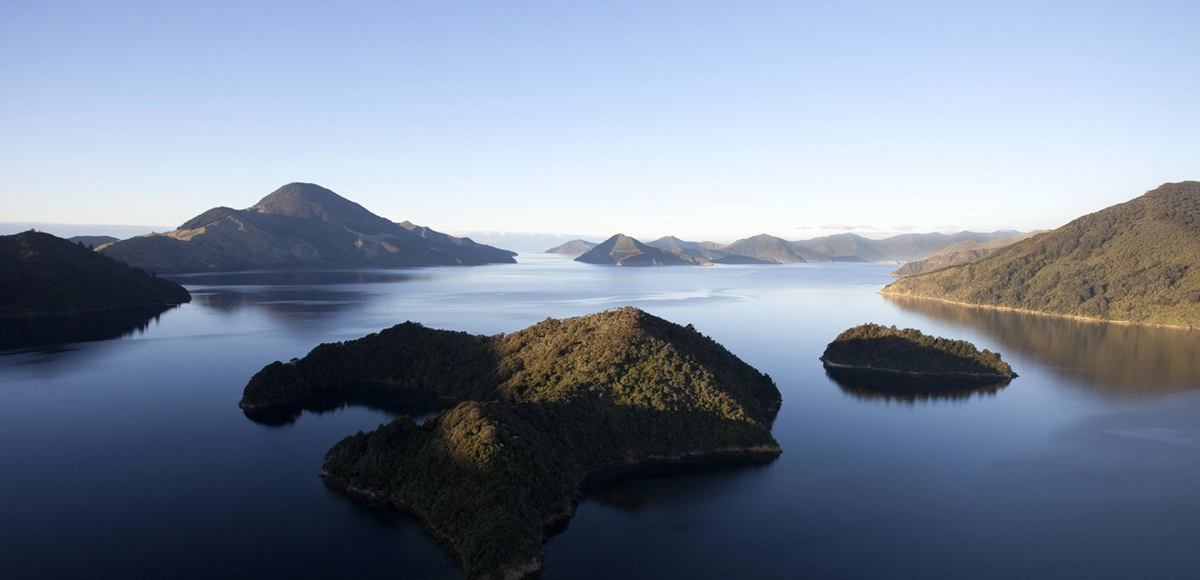
Fishing for life
A new generation of fishers
We operate in the new generation of New Zealand fishers, who have an embedded ethos of sustainable operation. We intimately understand the importance of a healthy marine environment and the part we play every day in conserving it. Maintaining healthy fish populations means catching what we need now and ensuring there is enough for the future.
We operate under rigorous fishing controls and catch within a strictly set limit to ensure the fisheries are highly productive and sustainable, guaranteeing an appropriate balance with the natural environment and supporting the health of our marine ecosystems.
‘Fishing for life’ also means providing people with clean, delicious seafood that is full of natural goodness for a healthy life.
Protecting our Seas
The specific area where we fish has significantly decreased over the last three decades, as the government and industry work together to ensure fishing can live alongside sustainability efforts.
By confining fishing to the same small areas, we only catch fish we are targeting, and ecosystems in protected seas around the world can thrive. And, by limiting the amount and what we can catch within our regulated ‘fenced’ areas, fish stocks are also maintained. For example, only 0.3% of the South Pacific Regional Fisheries Management Organisation (SPRFMO) high seas is available for deep-sea fishing, protecting the rest of the ocean’s biodiversity and providing a minimum for a sustainable fishing industry.
For the most comprehensive set of facts and references about the New Zealand seafood industry, visit Seafood New Zealand.
Bottom Trawling: The facts
Bottom trawling is used around the world and produces millions of tonnes of high-quality seafood every year. In New Zealand, it is one of the most closely managed fishing methods.
- Less than 2% of New Zealand's Exclusive Economic Zone is bottom trawled each year, largely on the same established grounds year after year.
- Most bottom trawling happens on muddy and sandy seafloors. Fishers avoid reef habitats where rocks and corals are present.
- Since 1990, trawl gear has contacted an estimated 11% of New Zealand's waters, so the vast majority has never been trawled.
- 31% of New Zealand's seabed is closed to bottom trawling, including 52% of seamounts. Most of these Benthic Protection Areas have been in place since 2007, more than two decades ahead of the UN's target of protecting 30% by 2030.
- 87.2% of New Zealand fish stocks of known status are in good shape, and 97% of landings of assessed stocks by weight come from these stocks (MPI, 2025).
Commercial fishing generates $6.4 billion for the New Zealand economy and supports 14,506 full-time equivalent jobs, including more than 4,500 in Nelson-Tasman-Marlborough (BERL, 2025).
Technology for the future
As technologies and fishing tools evolve, we constantly seek new and better ways to mitigate fishing’s impact on the marine environment.
Talley’s invests heavily in technology. A data-driven environment means we can make timely, informed and responsive decisions to any changes in fish stocks, and can report these to policy makers and regulators.
Changes to gear on boats, such as nets, cod ends and seabird mitigation adjustments, are also making a positive impact to reduce by-catch.
Excitingly, the new technologies on the horizon promise to be revolutionary, building on what the industry is already implementing.
Sustainable New Zealand
The New Zealand seafood industry’s footprint is very light, producing approximately 1% of the world's fish catch from the expansive New Zealand Exclusive Economic Zone, which is the fourth largest in the world.
100% of New Zealand’s commercial catch is from sustainable fish stocks managed by the New Zealand Quota (NZQMS) and enforced under the Fisheries Act. Under the NZQMS, the Government sets each catch limit, ensuring the long-term sustainability of our fish stocks and the health of our marine eco-systems. This means we operate under rigorous fishing controls, helping us to meet our sustainability commitments - effective, precise management of the wild catch and strict adherence to quotas, ensures the fisheries are highly productive and sustainable, guaranteeing an appropriate balance with the natural environment
Sustainable Internationally
Internationally, Talley’s is part of several Regional Fisheries Management Organisations (RFMOs) around the world. RFMOs are intergovernmental organisations committed to the long-term conservation and sustainable use of the fishery resources in their region, thereby safeguarding the marine ecosystems in which the resources occur.
In addition to the NZQMS, we also meet our sustainability commitments by fishing Marine Stewardship Council (MSC) certified fisheries. These fisheries must have sustainable fish stocks, minimal environmental impact, and effective management.
Only seafood from an MSC-certified fishery can carry the blue MSC eco-label.
Talley’s is a strong supporter of the following MSC-certified fisheries:
- Hoki
- Hake
- Orange Roughy
- Toothfish
- Pink Ling
- Southern Blue Whiting
- Skipjack Tuna
- Tuna - Albacore
Our other seafood certifications are with Certified Seafood International (CSI – formerly RFM) and A+ Aquaculture.
For more information, read our Sustainable Fishing Management Statement of Intent.